

glass mirror panels
The Evolution and Importance of Snap Gauge Manufacturers in Precision Measurement In the realm of manufacturing and quality control, precision measurement is paramount. This is where snap gauges come into play. Snap gauges, a type of mechanical gauge, are designed to check dimensions and ensure that components fit within specified tolerances. As industries continue to advance, the role of snap gauge manufacturers has evolved to meet the demands of modern production environments. Snap gauges operate on a simple principle they snap into place around a component to measure its dimensions quickly and accurately. They are widely used for gauging the external and internal features of objects, such as diameters, lengths, and heights. Unlike other measuring instruments, snap gauges provide instant feedback, making them highly efficient for high-volume manufacturing. The Role of Snap Gauge Manufacturers Manufacturers of snap gauges face the significant responsibility of producing measuring tools that ensure quality and consistency in various industries, including automotive, aerospace, and electronics. Precision is key; even the smallest deviation in dimensions can lead to significant faults in the final product. Hence, snap gauge manufacturers invest in cutting-edge technology and innovative designs to create highly accurate instruments that cater to diverse measurement needs. Innovations in Snap Gauge Manufacturing In recent years, snap gauge manufacturers have embraced advancements in technology. The incorporation of computer-aided design (CAD) software allows for greater precision in the gauges’ dimensions and features. Moreover, many manufacturers are utilizing smart technologies, such as digital displays and wireless connectivity, to enhance the functionality of snap gauges. These innovations make it easier for operators to read measurements and integrate the gauges into automated inspection processes. Furthermore, materials used in manufacturing snap gauges have also evolved. Modern materials not only ensure durability but also reduce the weight of the gauges, making them easier to handle and manipulate. This is particularly crucial for operators who need to use snap gauges frequently in a dynamic manufacturing environment. snap gauges manufacturer Quality Assurance and Certification To ensure the reliability of their products, snap gauge manufacturers adhere to stringent quality assurance standards. Many manufacturers seek certifications such as ISO 9001, which signifies their commitment to quality management systems and continual improvement. By complying with these standards, manufacturers can guarantee that their snap gauges meet the specific requirements of their customers, thereby enhancing their reputation in the market. The Future of Snap Gauges As industries embrace automation and smart manufacturing, the future of snap gauges is intertwined with advancements in Industry 4.0. Manufacturers are pushing the boundaries of traditional measurement techniques to create gauges that not only measure but also provide analytical data insights. This smart integration allows manufacturers to monitor production lines in real time, reducing wasted time and resources while ensuring that products meet quality standards. The demand for specialized snap gauges is also on the rise, as different industries require specific measurements. This trend has prompted manufacturers to develop custom solutions tailored to the unique needs of their clients, further solidifying the role of snap gauges in modern manufacturing. Conclusion In conclusion, snap gauge manufacturers play a crucial role in maintaining the quality and precision of products in various industries. With continuous innovations and advancements, they are adapting to the changing landscape of manufacturing and quality assurance. By embracing technology and focusing on quality, snap gauge manufacturers are not only ensuring accuracy in measurements but also contributing significantly to the overall efficiency and effectiveness of the manufacturing process. As industry needs evolve, so will the capabilities of snap gauges, making them indispensable tools in the quest for perfection in production.
about
glass mirror panels
Types of Control Valves Used in Industry Control valves play a vital role in various industrial processes by regulating the flow of fluids, including liquids, gases, and slurries. These devices are essential for ensuring efficient operation in a multitude of applications, such as chemical processing, water treatment, oil and gas, and power generation. The selection of an appropriate type of control valve is crucial for maintaining system performance, ensuring safety, and achieving economic efficiency. This article explores the different types of control valves used in the industry, highlighting their features and applications. 1. Globe Valves Globe valves are one of the most commonly used types of control valves in industry due to their excellent throttling capability. They consist of a spherical body with an internal baffle that allows fluid to flow through a specific path. This design enables precise control over flow rates and pressure drops. Globe valves are particularly advantageous in applications where fine adjustment is necessary. Their robust construction also makes them suitable for high-pressure environments. However, globe valves may have a higher pressure drop compared to other valve types, which can result in energy losses. 2. Ball Valves Ball valves are known for their quick opening and closing capabilities. They utilize a spherical disc—a ball—that rotates within the valve body to control the flow. When the ball is aligned with the flow, the valve is open; when perpendicular, it is closed. Ball valves are often favored in applications requiring rapid shut-off or isolation. They offer low resistance to flow and are suitable for various fluids, including corrosive liquids and gases. However, ball valves are not ideal for throttling applications, as their design does not offer fine flow control. 3. Butterfly Valves types of control valves used in industry Butterfly valves are characterized by a circular disc that rotates around an axis to regulate flow. These valves are lightweight, compact, and economical, making them an attractive option for large diameter pipes. They are highly efficient, providing a low-pressure drop when fully open. Butterfly valves can be used for throttling; however, they are best suited for on/off applications. Their simplicity and versatility make them a common choice in water treatment plants, HVAC systems, and food processing. 4. Gate Valves Gate valves are primarily used for on/off control rather than throttling. They consist of a gate-like mechanism that moves up and down to obstruct or permit flow. Due to their relatively simple design, gate valves provide minimal resistance to flow when fully open. However, they are not ideal for applications requiring frequent operation, as the friction can cause wear over time. Gate valves are commonly found in pipelines, water systems, and in situations where a straight-line flow is desired. 5. Check Valves While not a traditional control valve, check valves are essential in preventing backflow in piping systems. They automatically allow fluid to flow in one direction while preventing reverse flow. This feature is critical in protecting pumps and maintaining system efficiency. Check valves come in various designs, such as swing checks and ball checks, each suited to specific applications and flow conditions. Conclusion The choice of control valve type can significantly affect the efficiency, safety, and performance of industrial processes. Each type—globe, ball, butterfly, gate, and check valves—has distinct characteristics that make them suitable for specific applications. Understanding the operational requirements, including pressure, temperature, and fluid type, is crucial in selecting the appropriate valve. As industries continue to advance, the development and optimization of control valve technology will remain integral to achieving better control and efficiency in fluid handling systems. The ongoing evolution in design and materials will undoubtedly enhance the role of control valves in maintaining operational excellence across various sectors.
-

High quality industrial productsagement

High quality industrial products
View Details -

Meet the diverse needs of customers

Meet the diverse needs of customers
View Details -

Strict quality control

Strict quality control
View Details -

Top raw materials

Top raw materials
View Details -

Trusted supplier

Trusted supplier
View Details
Our application

news and information
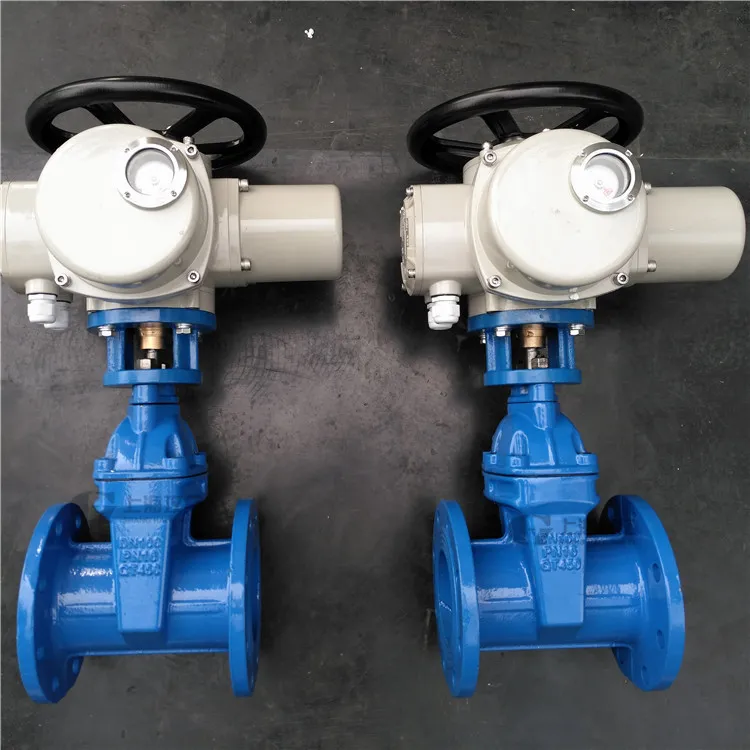
Valve Automation_ Benefits of Motorized Control Systems
In today’s rapidly evolving industrial landscape, automation has become synonymous with efficiency,
Versatile Metal Saddle Clamp for Securely Holding Pipes and Tubing in Various Applications
The Importance of Metal Saddle Clamps in Modern Applications In the world of engineering and constru

water check valve 3 4
Understanding Water Check Valves The Importance of Models 3 and 4 Water check valves are essential c
 English